KnowKi support
Learn the birds, mammals, plants, insects, arachnids, reptiles and amphibians, fish, crustaceans, sea slugs, and mollusks around you by name, through short photo lessons built from real iNaturalist sightings. Free, with no ads, and no account needed.
Played a KnowKi Daily?
Every day brings five species, easy to hard, in three editions: your Neighborhood, your Country, and the World. You have 15 seconds per photo, and faster right answers score more, up to 100 each. The squares in a shared result show how each round went:
- green for 70 points or more
- yellow for 40 or more
- orange for any points
- red for a miss
Play today's on the App Store app or at knowki.app.
Get to know ki
Robin Wall Kimmerer, a Potawatomi botanist and writer, proposed ki (pronounced like “key”) as a word for a living being of the Earth: a bird, a tree, a snail. It asks us to see ki as someone, not something. KnowKi helps you get to know the kin (the plural of ki) around you by name, until you can recognize them in the wild with no key.
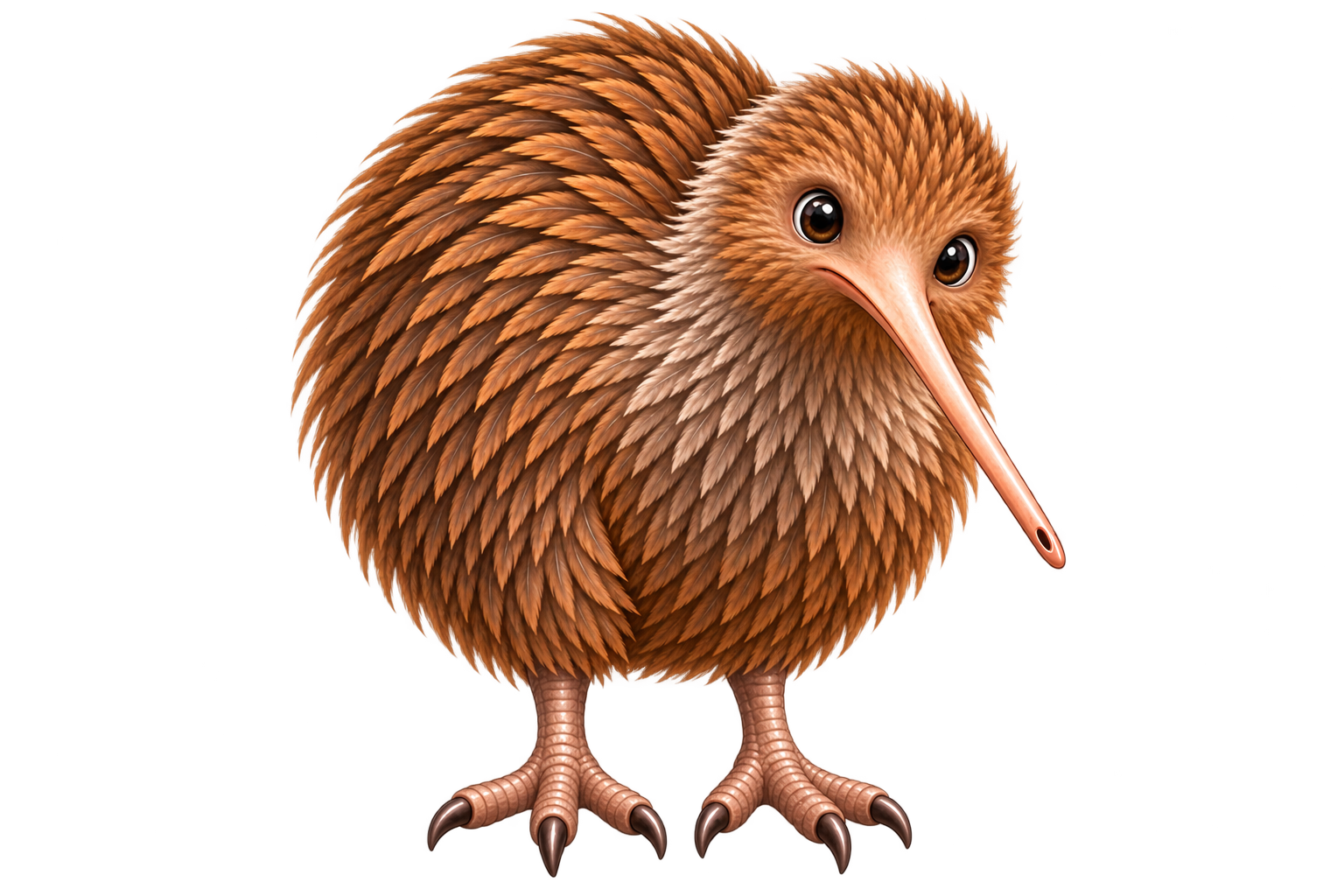
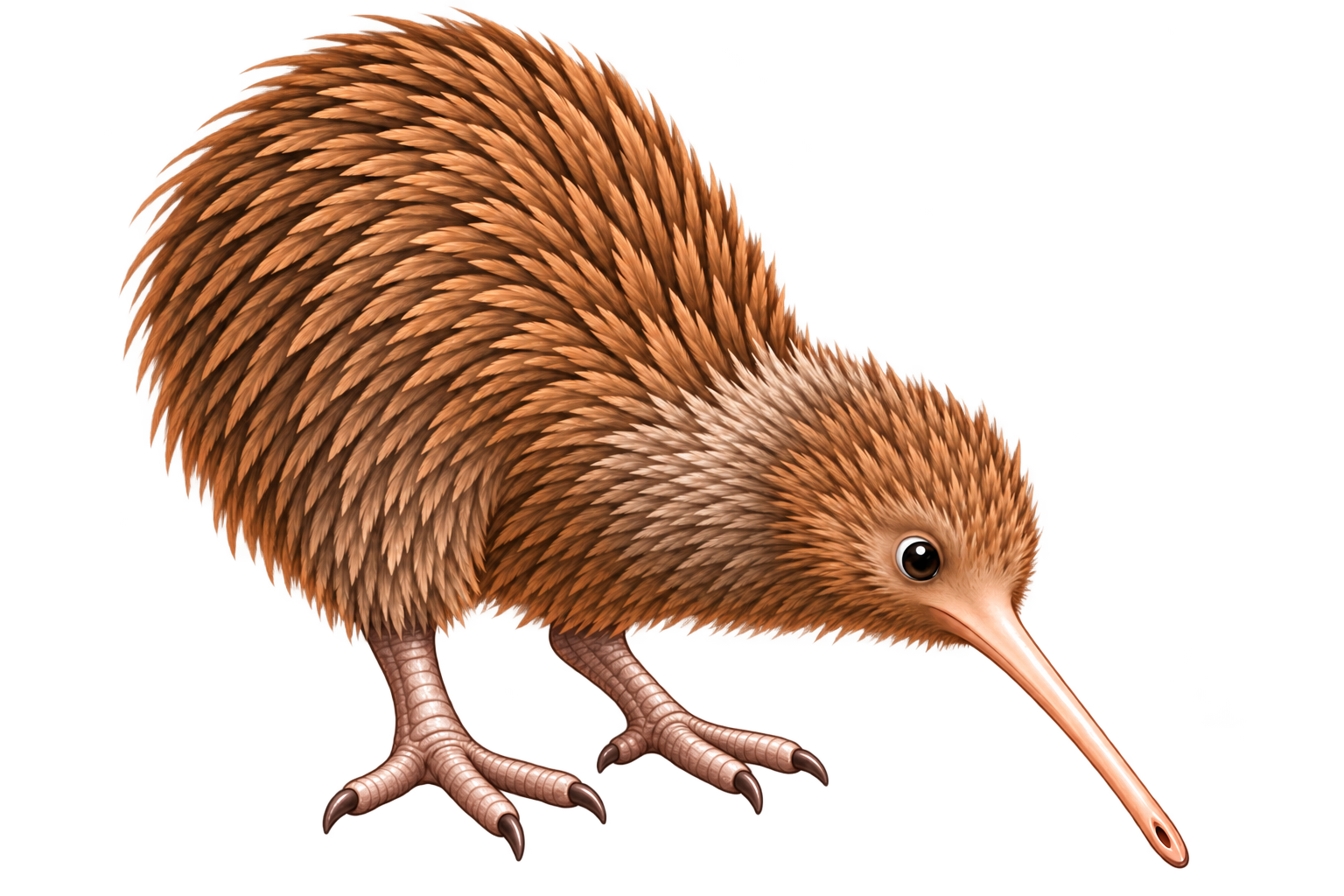
Your guide is Āki, a kiwi from Aotearoa New Zealand: curious, encouraging, and always nose-down in the leaf litter looking for something new.
Why it matters
“In the end we will conserve only what we love; we will love only what we understand; and we will understand only what we are taught.”
(Baba Dioum, 1968). Every species you learn to recognize is one more neighbor you'll notice, care about, and speak up for.
How it works
Learn
Choose a place, a radius, and a group. Your path introduces six species at a time: meet them, match them, practice them, then pass a checkpoint. Lessons use research-grade iNaturalist observations recorded near your place, most commonly recorded first. Native species lead; each chapter ends with an optional unit of introduced species.
Trips
Learn the kin of anywhere else: any country, every U.S. national park, E.O. Wilson's Key Places (the richest places for life on Earth), and marine sanctuaries. Each trip has its own path and earns a stamp in your Passport, and your home path stays as it is.
Play
The Daily, plus Quirky Quizzes on what animals leave behind (eggs, nests, bones, tracks, feathers, and scat) and Double Take, which sets look-alike species side by side.
Fieldbook
Every species you've met, with your progress, a short introduction from Wikipedia, and a map of where it's found.
Missed species come back soon, and species you get right come back over the following days. For species you're getting to know, recall cards ask you to type or say the name from the photo alone. A species becomes kin once you recognize it in two different photos on two different days.
Go meet your kin
Once you have 10 kin, KnowKi suggests which of them are out and about near you this month, with a monthly Field Bingo card, so you can go find them. When you do, photograph ki and post it to iNaturalist: once others confirm it, your sighting helps scientists, and it could become a photo in KnowKi. Connect your iNaturalist username in Settings to collect a stamp in your Fieldbook for each species you've found.
Common questions
A photo is too blurry or small to identify from.
In a lesson, tap the swap button on the photo before you answer to see another photo of the same species. The choices stay the same, so it doesn't give the answer away. In the Daily, Different photo swaps once per round for a small point penalty. If a photo seems wrong or inappropriate, email us (below) and we'll remove it.
It says there aren't enough species in my area.
Some places have few recorded observations for some groups, especially fish, sea slugs, and crustaceans, which only appear near the coast. Try a larger radius, another group, or a nearby town.
Lessons won't load.
KnowKi needs an internet connection to prepare lessons. Check your connection and try again. Your progress is saved on your device and is never lost when a lesson fails to load.
Where are introduced species?
Native species come first. Each chapter of your path ends with an optional unit of introduced species, so you can learn the newcomers too. Introduced doesn't always mean invasive.
How do I turn on sounds?
KnowKi asks at your first lesson. To change it later, open Settings → Sounds: nature sounds play quietly during lessons, matched to the group (forest birdsong, a summer meadow, a creek, the sea, or underwater), and effects play for answers and celebrations. Sounds follow your phone's silent switch.
Can my progress follow me between my iPhone and the web?
Yes, if you'd like. Sign in with Apple in Settings → Your account on each device, and your Fieldbook, paths, trail, Dailies, and milestones sync on their own. KnowKi doesn't ask for your name or email.
Can I play with friends?
Once you're signed in, turn on Friends in Play, pick a nature name, and send your invite link. Friends see each other's kin, trail, milestones, and Daily scores (a score shows only once you've played that Daily yourself), never species or places.
Can I move my progress to another device?
Yes. In Settings, open Move your progress, make a code, and enter it on the other device within 24 hours. It works between iPhones, browsers, and the two.
Why does KnowKi ask for my iNaturalist username but not my password?
KnowKi only reads your public observations to see which of your Fieldbook species you've found. It never posts anything or signs in for you. Disconnect any time in Settings.
How do I delete my data?
Open Settings and tap Delete local progress. Deleting the app also removes everything it stored on your phone. If you signed in, Settings → Your account → Delete account deletes your account and the progress saved with it.
Can you recommend field guides?
Yes: see field guides for every state. The book links there go to Bookshop.org, which supports independent bookstores; KnowKi earns a commission on purchases through them. The app itself has no store or affiliate links.
How can I support KnowKi?
KnowKi is free, with no ads. If you'd like to help cover the lesson servers, you can buy me a coffee. It's entirely optional and doesn't unlock anything. The iOS app has no donation or payment links.
Contact
Questions, bugs, or photo concerns: knowki.app@gmail.com. Please include your iPhone model and what you were doing when the problem happened.
Credits
- Photos and observations come from iNaturalist contributors under CC0, CC BY, and CC BY-NC licenses, credited in the app.
- Range maps come from iNaturalist's Open Range Map Dataset (CC BY). Species introductions are excerpts from Wikipedia (CC BY-SA 4.0), linked to each article.
- Soundscapes are CC0 recordings from Freesound, credited in the app's About screen.
- The word ki comes from Robin Wall Kimmerer's writing.
KnowKi is a free, noncommercial project. It is independent and is not affiliated with or endorsed by iNaturalist, Wikipedia, or Robin Wall Kimmerer.