Learn the wildlife of any country
Learn the wildlife of Bhutan
Asia
3,990 species have research-grade observations in Bhutan on iNaturalist. KnowKi turns the most recorded into short lessons with real photos, so you can learn a country's wildlife from home.
Meet the mammals of Bhutan →Your first lesson starts right away, with real photos. Free, no sign-up.
What animals live in Bhutan?


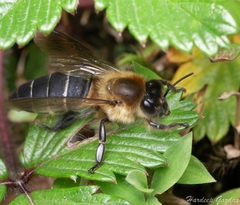
The animals people record most often in Bhutan include the Assam Macaque, the Gee's Golden Lutung, the Nepal Sacred Langur, the Oriental Turtle-Dove, the Red-vented Bulbul, the Yellow-billed Blue-Magpie, the Indian Tortoiseshell and the Himalayan Giant Honey Bee. The most recorded plant is tree rhododendron.
Most recorded here
The species with the most research-grade observations on iNaturalist, and how many each has. Most recorded doesn't mean native.
Birds
 Oriental Turtle-Dove Streptopelia orientalis228
- Red-vented Bulbul Pycnonotus cafer192
- Yellow-billed Blue-Magpie Urocissa flavirostris176
 Large-billed Crow Corvus macrorhynchos145
 White-throated Laughingthrush Pterorhinus albogularis144
 Plumbeous Water Redstart Phoenicurus fuliginosus135
 Verditer Flycatcher Eumyias thalassinus131
 Rufous Sibia Heterophasia capistrata127
 White Wagtail Motacilla alba124
- Green-backed Tit Parus monticolus119
Plants
- Tree Rhododendron Rhododendron arboreum156
 White clover Trifolium repens144
 Drumstick Primrose Primula denticulata126
 Blue pine Pinus wallichiana96
- Lokta Daphne bholua94
 Greater periwinkle Vinca major79
- Pink knotweed Persicaria capitata79
- Kharsu Quercus semecarpifolia75
 Drooping Prickly Pear Opuntia monacantha69
- Cannabis Cannabis sativa66
Mammals
- Assam Macaque Macaca assamensis199
- Gee's Golden Lutung Trachypithecus geei163
 Nepal Sacred Langur Semnopithecus schistaceus134
- Capped Lutung Trachypithecus pileatus120
- Grey Himalayan Goral Naemorhedus goral69
- Himalayan Striped Squirrel Tamiops mcclellandii64
 Black Giant Squirrel Ratufa bicolor54
- Domestic Yak Bos grunniens47
 Domestic Dog Canis familiaris39
 Northern Red Muntjac Muntiacus vaginalis38
Insects
- Indian Tortoiseshell Aglais caschmirensis128
 Himalayan Giant Honey Bee Apis laboriosa127
- Indian Red Admiral Vanessa indica82
 Chocolate Pansy Junonia iphita78
 Paris Peacock Swallowtail Papilio paris73
 Painted Lady Vanessa cardui69
 Blue Pansy Junonia orithya65
- Yellow Coster Telchinia issoria61
- Punchinello Zemeros flegyas59
- Yellow Orange Tip Ixias pyrene55
Reptiles
 Indian Garden Lizard Calotes versicolor53
 Big-eyed Bamboo Snake Pseudoxenodon macrops26
 Chinese Mountain Pit Viper Ovophis monticola16
- Northern King Cobra Ophiophagus hannah15
- Monocellate Cobra Naja kaouthia13
How a trip works
A trip has its own trail of lessons: meet six species, match them to new photos, then practice with four choices. Species you learn go into your Fieldbook, and starting a trip earns its Passport stamp. Your home place stays as it is.
Your first lesson starts right away, with real photos. Free, no sign-up.
Species lists and counts from research-grade observations on iNaturalist, as of November 2026. Free, with no ads, no account, and no purchases.
Photo credits
Oriental Turtle-Dove: (c) 戴安國, CC BY-NC; Large-billed Crow: (c) Joe Bourget, CC BY-NC; White-throated Laughingthrush: (c) P. S. Sivaprasad, CC BY-NC; Plumbeous Water Redstart: (c) Vijay Anand Ismavel, CC BY-NC; Verditer Flycatcher: (c) Cheongweei Gan, CC BY; Rufous Sibia: (c) Pål A. Olsvik, CC BY; White Wagtail: (c) ZTSurvival, CC BY-NC; White clover: (c) Gennadiy Okatov, CC BY-NC; Drumstick Primrose: (c) Suresh Ghimire, CC BY-NC; Blue pine: (c) Hornbeam Arts, CC BY-NC; Greater periwinkle: (c) Σάββας Ζαφειρίου (Savvas Zafeiriou), CC BY-NC; Drooping Prickly Pear: (c) GMarques, CC BY-NC; Nepal Sacred Langur: (c) Wilbur Goh, CC BY-NC; Black Giant Squirrel: (c) pfaucher, CC BY-NC; Domestic Dog: (c) Alec Karcz, CC BY-NC; Northern Red Muntjac: (c) rosshall, CC BY-NC; Himalayan Giant Honey Bee: (c) Hardeep Gazdar, CC BY-NC; Chocolate Pansy: (c) Cheongweei Gan, CC BY-NC; Paris Peacock Swallowtail: (c) LVDIAN, CC BY-NC; Painted Lady: (c) roy pilcher, CC BY-NC; Blue Pansy: (c) Les Day, CC BY-NC; Indian Garden Lizard: (c) Devika M B, CC BY; Big-eyed Bamboo Snake: (c) Leonid A. Neymark, CC BY-NC; Chinese Mountain Pit Viper: (c) Thomas Calame, CC BY-NC. Photos from iNaturalist, used under their Creative Commons licenses.